Design Taste: The Skill AI Can't Automate
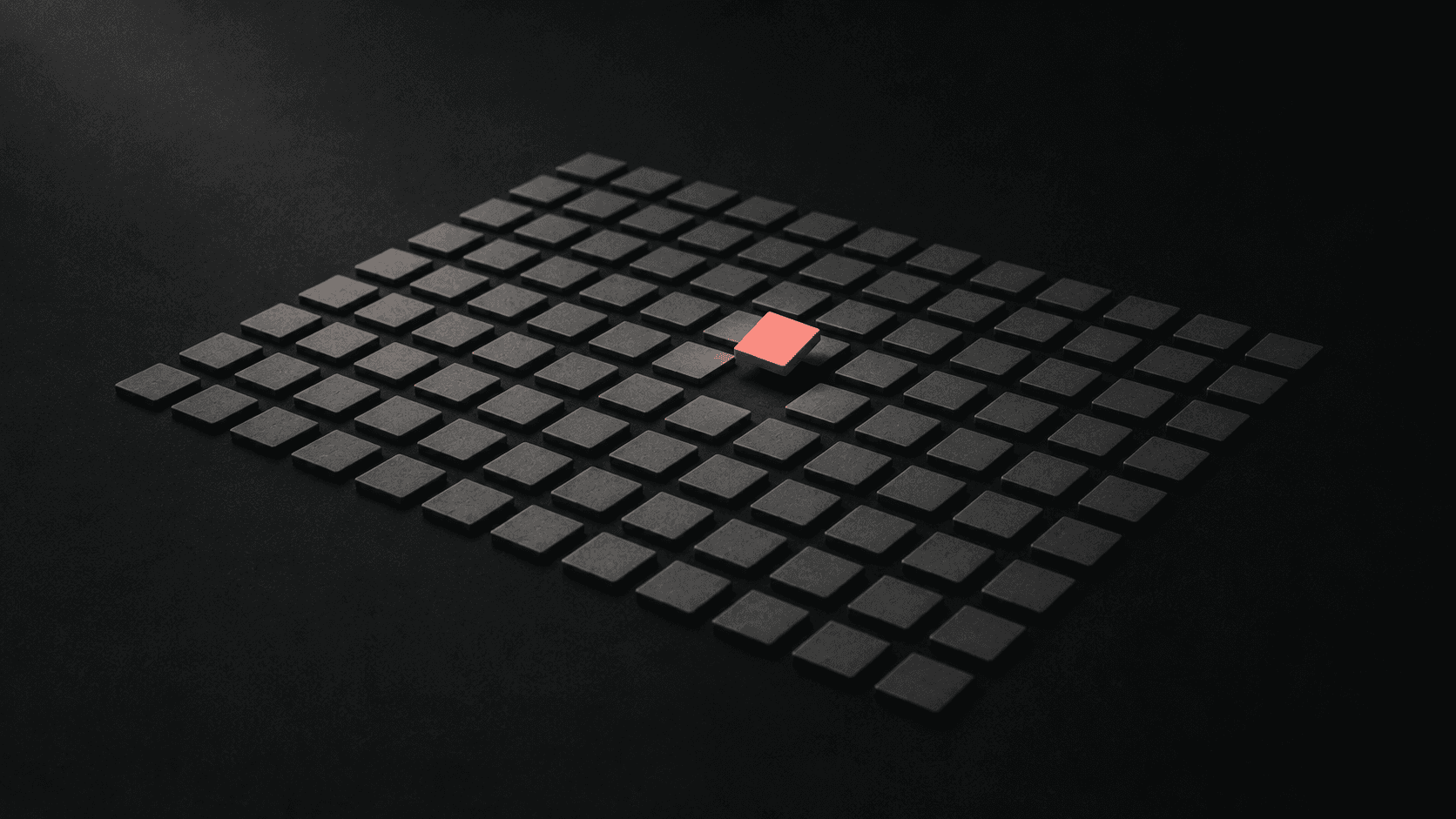
AI Can Generate a Thousand Screens. Only You Can Tell Which One Is Good.
I'll admit something. The first time I watched an AI spin up forty landing-page variations in the time it takes to make coffee, a small part of me panicked. Fifteen years of craft, and here was a machine matching my output before the milk hit the cup.
Then I tried to pick one. And that's when I stopped worrying.
The short version: Design taste is your trained ability to judge which option is good and explain why. AI can generate endless variations in seconds, but it can't decide which one is right for this user, this brand, this moment. That judgment is the skill AI can't automate. The good news, and the part almost nobody says out loud: taste is learnable.
What is design taste, exactly?
Design taste is the ability to look at several plausible options and know which one is right, and to articulate the reason. It is not decoration or personal preference. It's pattern memory plus judgment: thousands of past decisions, compressed into a fast, defensible "this one, because."
That last part matters. A junior designer can feel that a layout is off. A designer with taste can tell you it's the vertical rhythm, name the fix, and predict how users will respond. Taste without a reason is just a hunch. Taste with a reason is a skill.
Why can't AI have taste?
AI optimizes for the average. It's trained on everything, so it produces the statistical middle of everything, competent, familiar, and slightly generic. That's exactly why the numbers tell a strange story. In Figma's 2025 research, 78% of designers said AI significantly speeds up their workflow, but only 58% said it actually improved the quality of their work. Speed is solved. Quality still needs a human.
Even more telling? 40% of designers say they don't yet trust AI-generated output enough to rely on it fully. Someone still has to look at the forty variations and throw out the thirty-eight that are wrong for this problem. The generating got cheap. The choosing didn't.
Is taste just talent you're born with?
No. This is the myth I want to kill. We talk about taste like it's a gift, something you either have or you don't, and that framing is both wrong and lazy. Taste is trained. It's the residue of paying close attention to a lot of work and a lot of outcomes.
I didn't have taste at year one. I had opinions. The difference is that opinions are untested and taste is calibrated against reality, against what shipped, what converted, what users actually did. Every project is a rep. Which means anyone willing to do the reps can build it.
How do you actually train design taste?
Here's what has worked for me, and what I tell designers who ask how to get better faster:
Study work with a stopwatch on your reactions. When something feels great or broken, stop and name why before you scroll on. Unexamined reactions don't compound. Named ones do.
Ship and watch. Taste calibrates against outcomes, not applause. Tie your choices to real behavior and let the data correct you.
Collect references with reasons attached. A swipe file of screens is nice. A swipe file where each entry has a one-line "why this works" is a training set for your own judgment.
Use AI as a sparring partner, not an oracle. Generate the forty options, then force yourself to rank them and defend the top three out loud. The generation is free practice for the only muscle that matters.
Get your reasons critiqued, not just your pixels. Ask a senior designer to poke holes in your rationale. Weak reasoning is where taste is actually failing.
AI vs. taste: who does what
The work | AI is great at it | Taste is required |
|---|---|---|
Generating options fast | Yes, dozens in seconds | No |
Producing competent, on-average output | Yes | No |
Deciding which option fits this user and brand | No | Yes |
Explaining why a choice is right | No | Yes |
Knowing what problem is even worth solving | No | Yes |
Catching the subtle thing that feels off | Rarely | Yes |
The pattern is clear. AI owns the middle of the workflow. Taste owns the two ends, deciding what to make and judging what came out. Those ends are where the value concentrated, and the market noticed: PwC's 2026 AI Jobs Barometer found workers with AI-complementary skills now command a 62% wage premium, precisely because AI handles the routine and humans are paid for judgment.
Key takeaways
Design taste is trained judgment: knowing which option is good and being able to say why.
AI produces the statistical average, which is why speed is solved but quality still isn't (78% vs 58% in Figma's 2025 data).
Taste is not innate. It's built through deliberate reps: naming reactions, shipping, and defending your choices.
Use AI to generate, then use your taste to curate and justify. The choosing is the job now.
As AI commoditizes execution, the designers who can decide and defend get more valuable, not less.
The uncomfortable, freeing truth is that AI didn't take the hard part of design. It took the tedious part, and handed us back the part that was always the point. Which makes me curious: the last time AI gave you forty options, how long did it take you to know which one was right, and could you say why?
Share on


